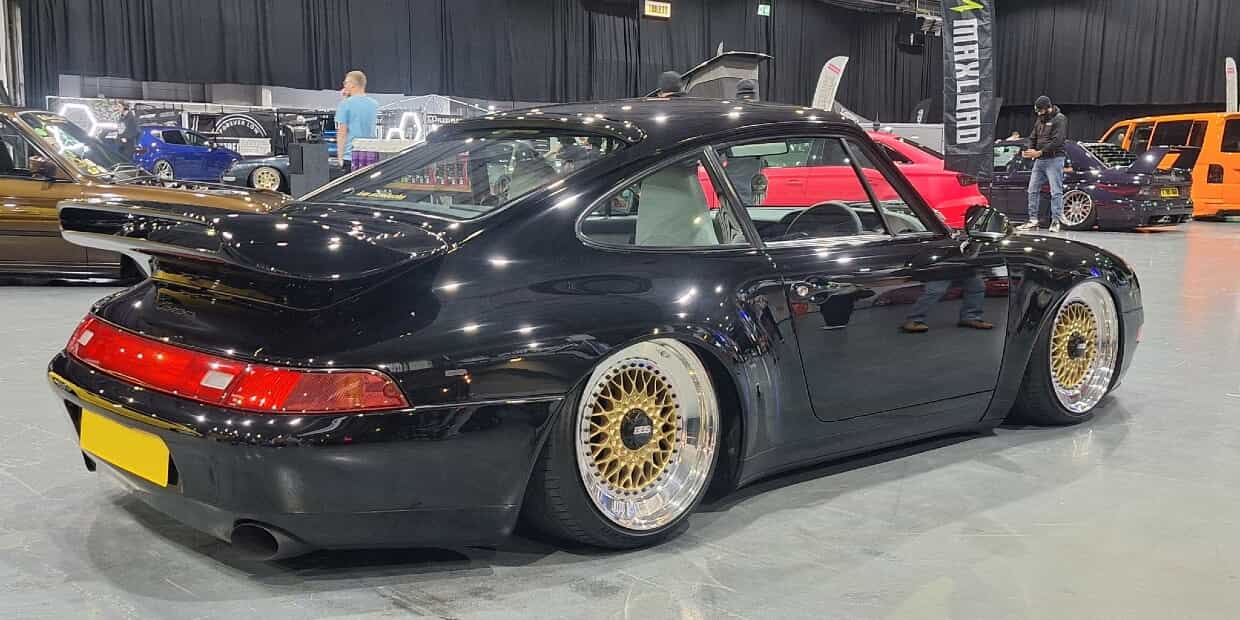
If you have ever stood in your garage looking at a car or van that you have slowly improved over time, you are not alone. A set of wheels here, upgraded brakes there, maybe a remap or a few interior changes. None of it feels extreme, and none of it feels unusual if you are an enthusiast.
However, the problem is that many owners only realise later that what feels normal to them can still count as a modification in the eyes of an insurer.
This is one of the most common areas of confusion we see at Brentacre. People are not trying to hide anything. They simply do not know where the line is. So let’s clear it up properly and explain what needs to be declared, what often gets overlooked, and why specialist car insurance matters if you enjoy modifying vehicles as much as we do.
What Is Classed As A Modification?
The simplest way to look at it is this:
If the vehicle did not leave the factory with that specification, it is considered a modification.
That includes changes made by previous owners, changes fitted by a dealer, and anything you have added yourself. Insurers care about modifications because they affect:
- The value of the vehicle
- Repair and replacement costs
- Theft risk
- Performance and handling characteristics
Even a change that feels minor to an enthusiast can still alter the overall risk profile.
Common Modifications People Forget To Declare
Examples of everyday upgrades that often slip under the radar include:
- Aftermarket alloy wheels or wheel size changes
- Window tints that were not factory-fitted
- Upgraded stereos, speakers, amplifiers or subwoofers
- Suspension changes, including lowering springs or coilovers
- Interior trim changes, such as aftermarket seats or steering wheels
Even if these were fitted when you bought the vehicle, they still need declaring.
This is exactly why specialist modified car insurance exists. It is designed for people who personalise their vehicles, not people who keep them standard.
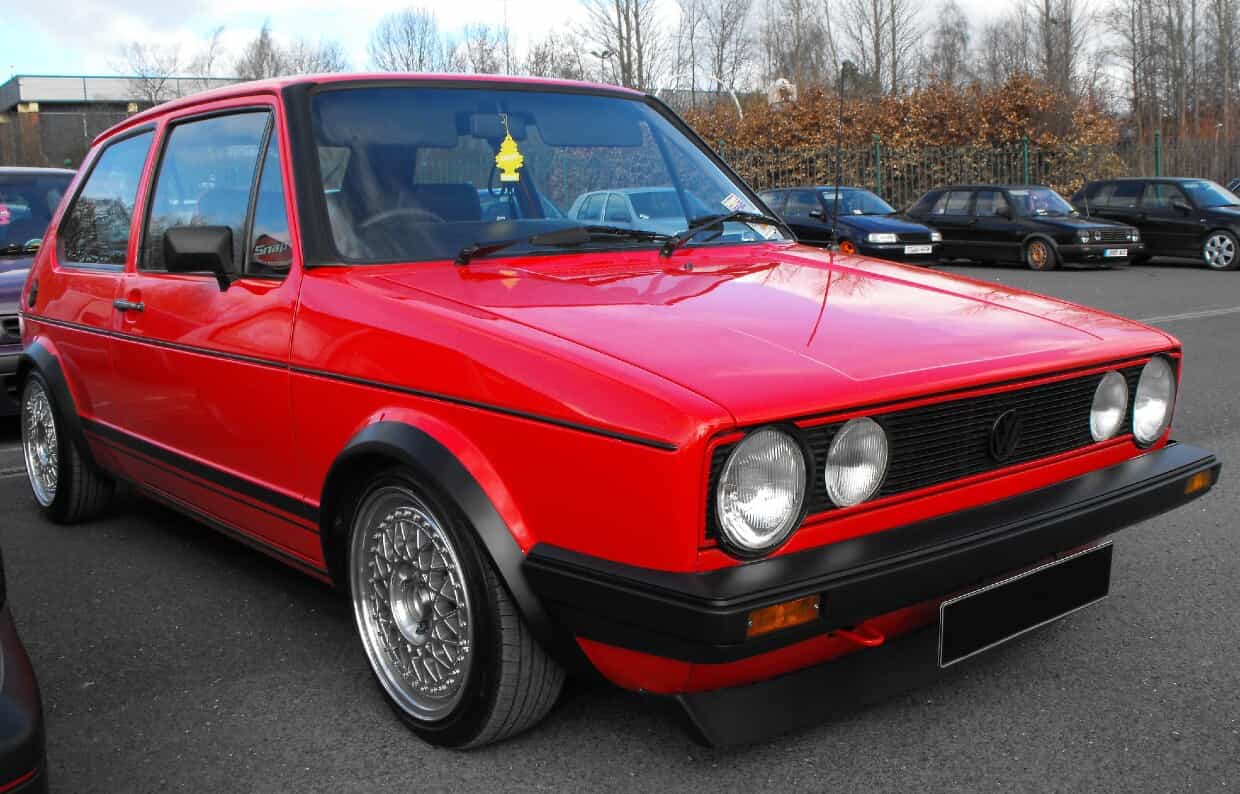
Performance Modifications & Engine Upgrades
Performance changes tend to be more obvious, but there is still plenty of misunderstanding around what counts.
Any modification that affects how the engine performs or delivers power should be declared, including:
- Engine remaps or ECU tuning
- Exhaust systems that alter sound or flow
- Intake systems and intercoolers
- Turbo or supercharger upgrades
- Brake upgrades, even if fitted for safety
A common misconception is that a “mild” or “stage one” remap does not need to be declared. It does.
If your car sees track use, declaring performance modifications becomes even more important. Track-focused builds and dual-purpose road and track cars are exactly what track day insurance
and specialist modified policies are built around.
Cosmetic Modifications Still Matter
Cosmetic changes are often dismissed as irrelevant, but they still count as modifications.
Examples include:
- Body kits, splitters, spoilers and diffusers
- Vinyl wraps or non-standard paintwork
- Roll cages and harnesses
- Interior lighting upgrades
While these changes may not increase speed, they do increase value and visibility, which in turn affects theft risk and repair costs.
Campervans & Self-Build Conversions
Campervan owners, particularly self-builders, often sit in a grey area without realising it. A standard panel van can become a very different vehicle once conversion work begins.
Common campervan modifications include:
- Pop-top or high-top roofs
- Solar panels and upgraded electrical systems
- Diesel heaters or LPG installations
- Fixed furniture, beds and storage units
- Water systems and plumbing
At Brentacre, we love modified vans and self-build campervans, and our team is highly experienced in getting to grips with preparing a tailored campervan insurance policy.
What Happens If You Do Not Declare A Modification?
Failing to declare a modification can cause problems, even if it has nothing to do with a claim.
Potential consequences include:
- Claims being reduced or declined
- Policies being cancelled
- Difficulty securing cover in the future
The frustrating part is that declaring modifications does not automatically result in higher premiums with specialist insurers that expect modified vehicles.
How Brentacre Approaches Modified Vehicles
At Brentacre, we deal with modified vehicles every day. We understand why people modify cars and vans because we are enthusiasts ourselves.
Our approach is simple:
- Modifications are expected, not penalised
- Values are based on the real vehicle, not a standard example
- Cover is built around how the vehicle is actually used
Whether you have a lightly modified daily driver, a heavily customised build, or a self-built campervan, specialist cover makes all the difference.
When In Doubt, Declare It
If there is one rule worth following, it is this:
If you are unsure whether something counts as a modification, declare it.
Being open with a specialist broker will never work against you. Modifying vehicles is about enjoyment, individuality and pride in what you drive. Insurance should support that, not undermine it.
With the right cover in place, you can focus on building, driving and enjoying your vehicle properly, knowing it is insured for what it truly is.

