Anyone who has tried to insure something interesting will know the feeling.
You put your pride and joy into a comparison site, tick through the questions, and then you hit a wall. Maybe it’s the modifications dropdown that has three options and none of them describe what you have actually done. Maybe it’s the value field that will not accept the figure your car is genuinely worth. Maybe the quotes come back, and every single one has quietly assumed your car is standard, which it very much is not.
Or maybe you get to the end, get a price, and have absolutely no idea whether the policy behind it would actually pay out on the car sitting in your garage.
None of this means comparison sites are bad. They are a genuinely useful invention, and for millions of drivers they are exactly the right tool. But they are built for a particular job, and once your car stops looking like the cars they were designed around, things can get complicated.
Here is what is actually going on, and how to work out which route makes sense for you.
What Comparison Sites Are Built To Do
A comparison site is a matching engine. You answer a fixed set of questions, those answers get sent to a panel of insurers, and each one returns a price based on how your answers score against its underwriting model.
The whole thing lives or dies on standardisation. For that model to work at speed and scale, every car has to be describable using the same set of dropdowns. That’s completely fine when the car is a three-year-old Golf with no modifications, a known market value and a predictable claims profile. The questions capture everything that matters, the price comes back in seconds, and you can genuinely compare like with like.
For a huge number of drivers, that’s the best possible outcome. Fast, competitive, no phone calls.
We would never tell someone with a standard family hatchback that they need a specialist broker, because in most cases they simply do not.
Where The Dropdowns Run Out
The trouble starts when the thing that makes your car special is also the thing the form cannot capture.
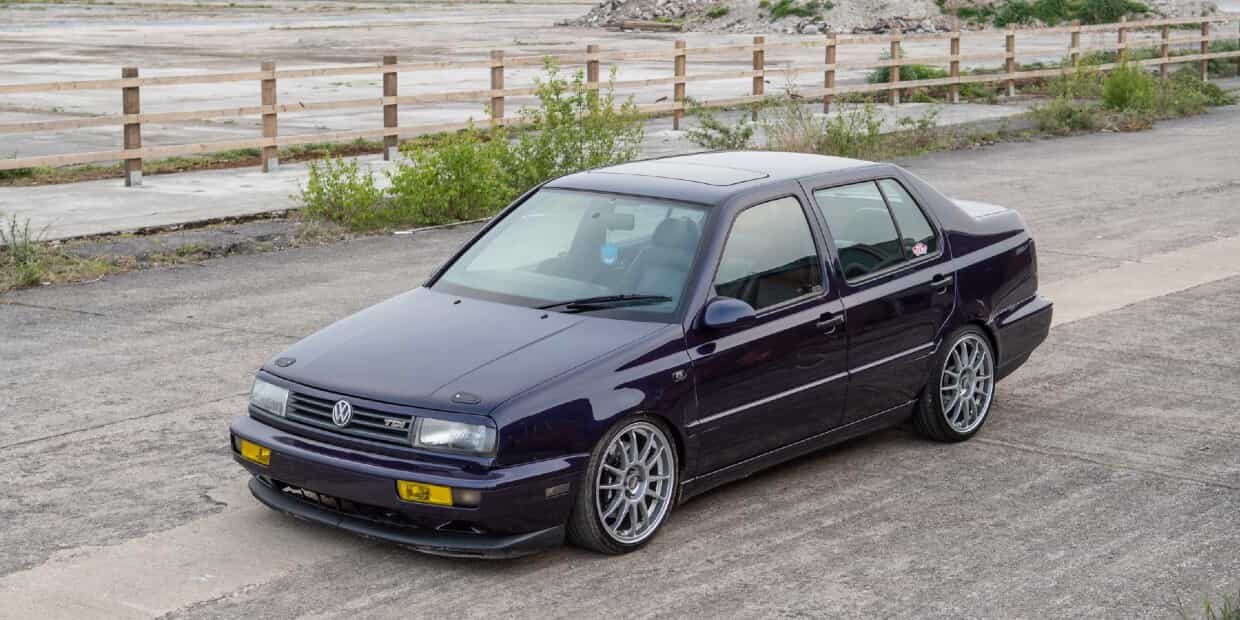
Take a modified car. A dropdown might let you say “engine modifications” or “alloy wheels”. However, it will not let you explain that the engine has been rebuilt to a known specification by a recognised specialist, that the brakes and suspension were upgraded to match, and that the whole thing has been set up properly. To a form, a careful, well-engineered build and a badly done one can look identical. To an underwriter who actually understands the car, they are worlds apart.
Or take a classic car. Many older cars are worth considerably more than a standard valuation guide suggests, and some appreciate over time rather than depreciating. A form that assumes market value based on age and mileage has no way of knowing your car has had a body-off restoration, or that its particular specification is rare and sought-after.
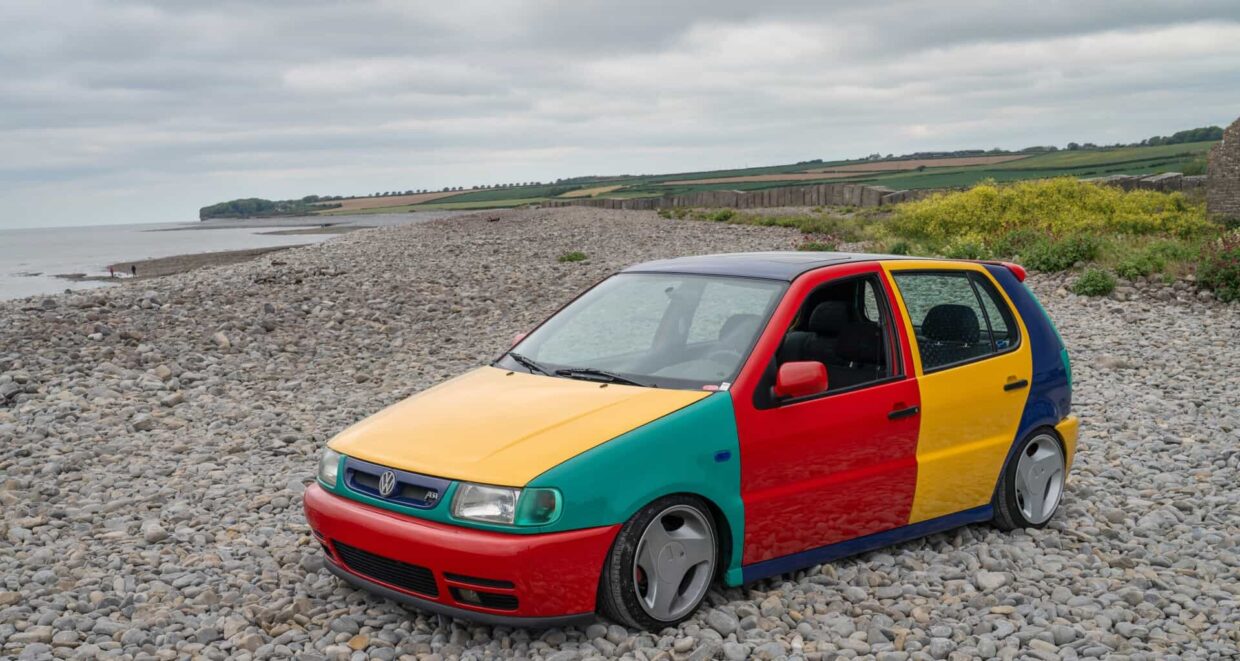
Then there is everything else that doesn’t fit neatly anywhere. Imported vehicles with no UK equivalent to compare against. Campervan conversions where the base vehicle and the finished vehicle are barely related. Kit cars or those on Q-plates. Vehicles that only come out for a handful of shows a year and spend the rest of their life in a locked garage.
In each case, the vehicle can often be insured through specialist insurers. It simply needs to be assessed on its own merits.
The Bit That Matters More Than Price
Here is the part that can easily get overlooked.
An insurance policy is a contract based on the information you gave when you bought it.
If your car has modifications that were not declared, or a value that was never properly discussed, then the cover you have may not match the car you own. That’s not a comparison site problem, it’s a declaration problem, and it can happen through any sales route.
But it’s easier to get it wrong when the form doesn’t provide space for your answer. If there is no field that describes your build, it’s very tempting to pick the closest option and move on. And that gap between what you selected and what you actually own is exactly where problems surface, which is usually at the worst possible moment.
This is why talking to a human matters on an unusual vehicle. Not because a broker is inherently better than a website, but because a conversation can capture things a dropdown cannot, and because it puts someone on the other end who can tell you whether what you are about to buy is right for the car.
If you take one thing from this article, declare everything, and make sure whoever you are buying from has properly understood it.
So What Does A Specialist Broker Actually Do Differently?
Three things, mainly.
1. We take time to understand your vehicle
A specialist broker’s job starts with understanding the vehicle. What has been done to it, who did the work, what it is worth, how it’s stored, how often it comes out. That takes a conversation, and it means the underwriter receives an accurate picture rather than a best-guess approximation.
2. We know which insurers want your car
Not every insurer has an appetite for a modified turbo build, a left-hand-drive import or a self-built camper. A specialist car insurance broker , such as ourselves, spends its working life dealing with the ones that do, and knows which insurers have experience in considering well-executed modified vehicles rather than penalising them by default. That’s knowledge you cannot get from a form.
3. We can arrange cover options that standard policies often do not include
Agreed valuations, allowance for modifications, limited mileage arrangements, laid-up cover for cars mid-restoration. Availability depends on the vehicle, the insurer and your circumstances, so nothing here is guaranteed, but these are the sorts of options a specialist conversation opens up.
At Brentacre we have been doing this since 1987, and the office is mostly staffed by people who own the same sorts of cars our customers do. Our founder is currently in the middle of a full Escort RS Cosworth build, which you can read about in Project Cossie. It’s not a marketing line; it’s just genuinely who works here, and the reason a phone call about your car tends to go somewhere useful.
Which Route Should You Take?
A reasonable rule of thumb.
A comparison site is likely to work well if your car is standard or close to it, its value is in line with what a valuation guide would say, you use it as normal everyday transport, and nothing about it needs explaining.
A specialist broker is worth a call if your car is modified in any meaningful way, it’s a classic or something appreciating in value, it’s imported or unusual, it’s a camper or conversion, you want an agreed valuation, it does limited mileage or lives in storage for part of the year, or you have already tried the comparison route and either been declined or left unsure whether the cover fits.
And there is nothing stopping you from doing both. Getting comparison quotes and then speaking to a specialist is a perfectly sensible way to see the whole picture. We would rather you made an informed decision than a rushed one, and if a comparison site genuinely serves your car better, that’s a fine outcome.
The Short Version
Comparison sites solved a real problem, and for standard cars they solved it well. What they were never designed to do is understand a car that has been built, restored, imported or modified into something unique.
If that describes what is in your garage, the difference is not really about price. It’s about whether the policy you end up with actually reflects the car you own.
If you would like to talk yours through with someone who will ask the right questions, get in touch.

