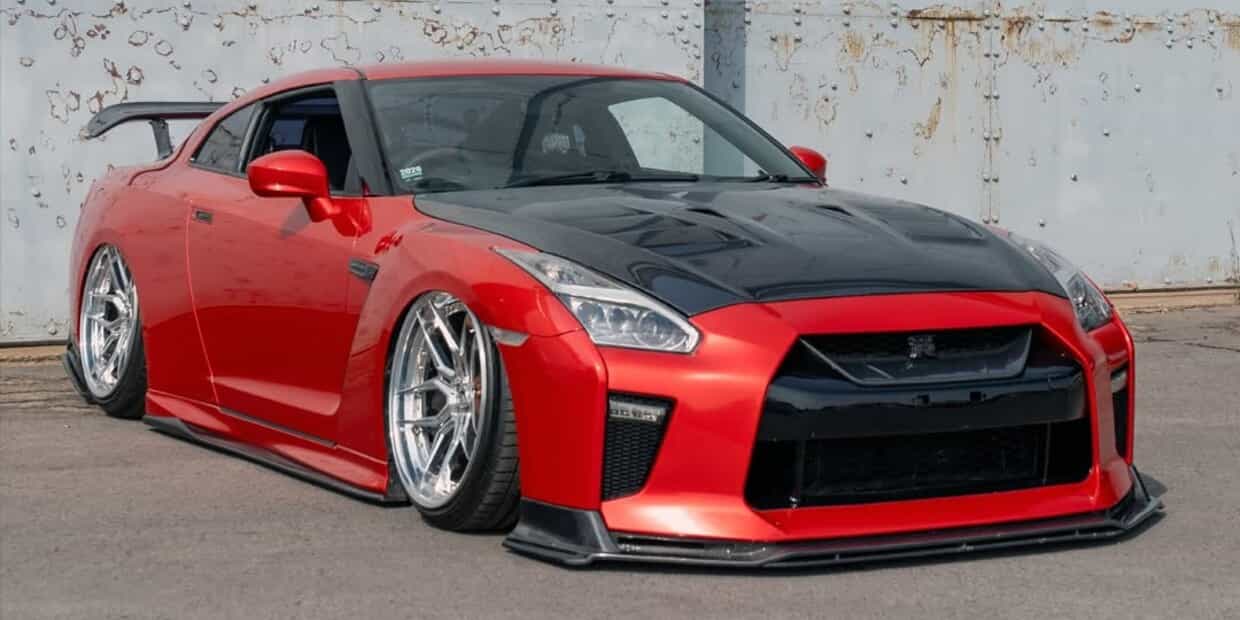
You’ve spent two years and more money than you’d admit to your partner getting the car exactly right. Then you go to insure it, tick the modifications box honestly, and the screen tells you nobody wants to quote.
It’s a frustrating moment, and it leads a lot of owners to the same conclusion that insurers hate modified cars.
However, that isn’t really what’s happening. A decline usually isn’t a comment on the quality of the work. It’s a much more boring answer than that, and once you understand it, it all makes a lot more sense. It also tells you exactly what to do next.
Why do insurers care about modifications at all?
Because an insurance price is built on the assumption that the car is standard, and a modification changes one of the things that assumption was based on.
When an insurer rates a vehicle, it’s working from a known quantity. A particular make, model and engine has a known repair cost, a known parts supply, a known performance figure and a known claims history across thousands of similar cars. That data is what produces a price in seconds.
Modify the car and some of that data stops applying. For example, a remap changes the performance figure. A body kit changes the repair cost. A set of expensive wheels changes what’s worth stealing. None of these are bad things, and none of them mean the car is dangerous. They just mean the insurer no longer has reliable data for the exact vehicle in front of it.
What actually counts as a modification?
Anything that differs from how the manufacturer supplied the car. That’s a wider definition than most owners expect, and it’s where a lot of accidental non-disclosure happens.
Insurers will generally want to know about:
- Engine and performance work, including remaps, turbo and supercharger upgrades, exhausts and induction
- Suspension changes such as coilovers, lowering springs and air ride
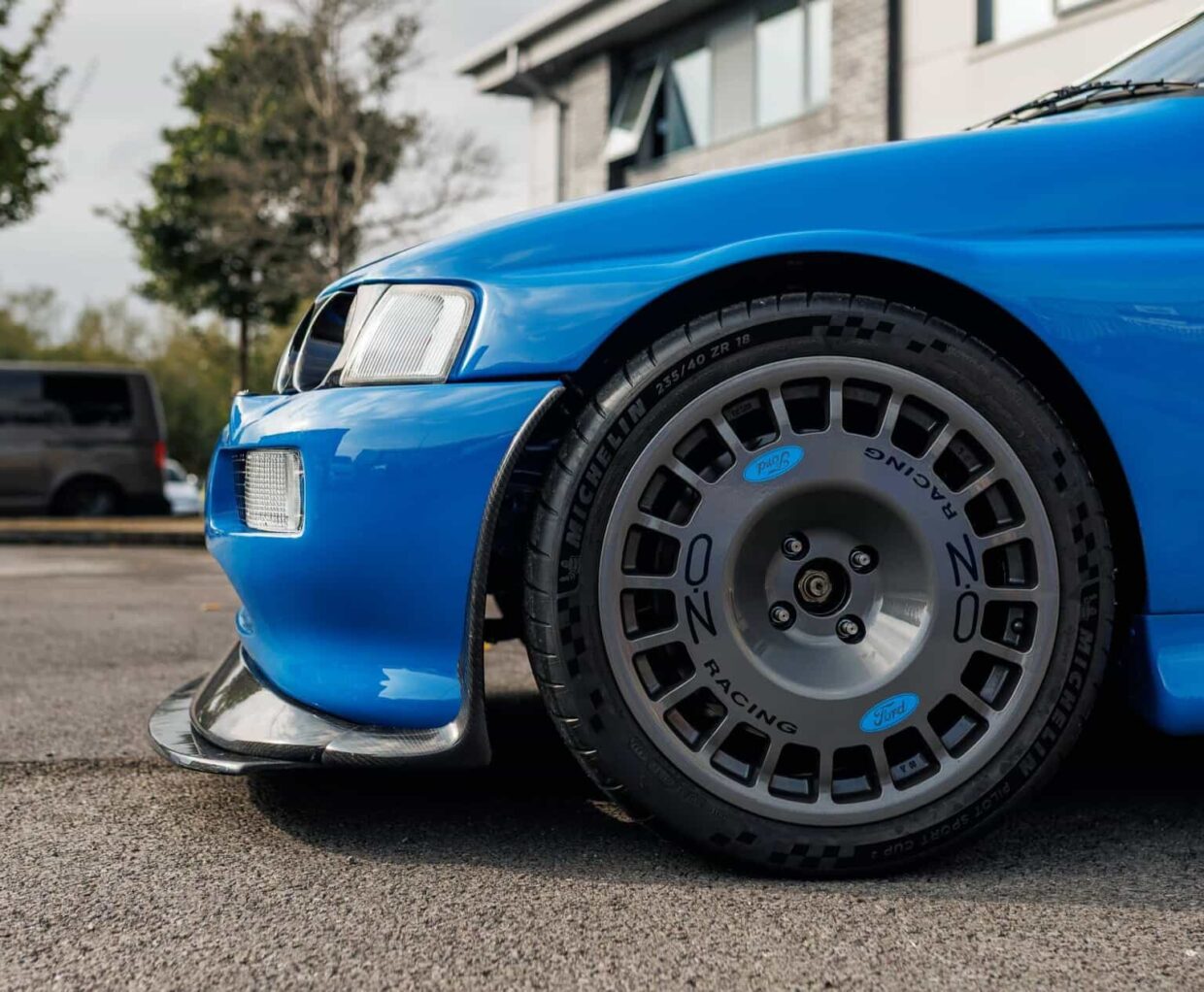
- Wheels and tyres that aren’t the original specification
- Brake upgrades
- Bodywork, including kits, arches, splitters and spoilers
- Cosmetic work such as wraps, respray colour changes and tinted windows
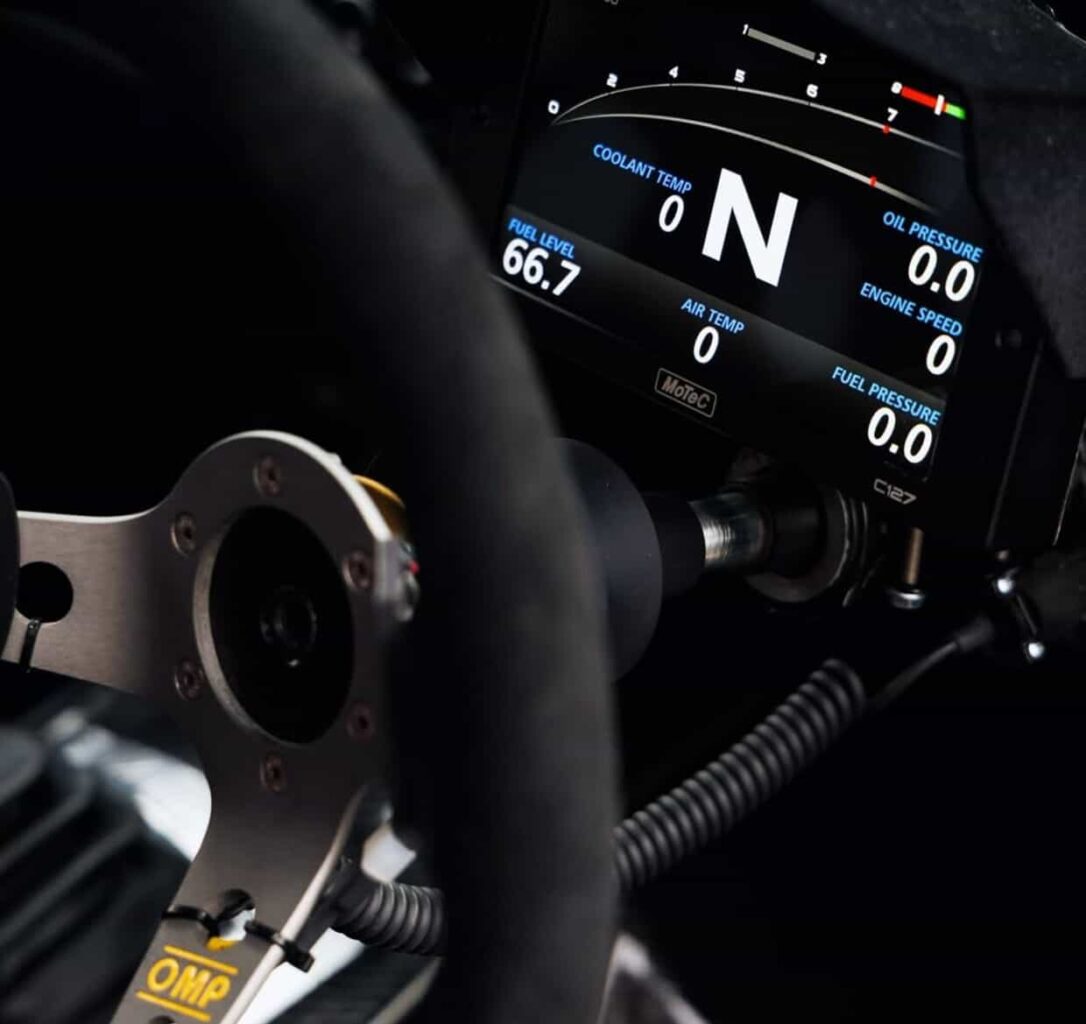
- Interior changes like bucket seats, harnesses, roll cages and aftermarket steering wheels
- Audio and ICE installations
- Structural or chassis work, and anything carried out for motorsport use
Modifications made by a previous owner still count, even if you didn’t do them or ask for them. And “improvements” fitted by a dealer can count too, if they weren’t part of the original factory specification. Still unsure? Read our post on what counts as a modification.
Why do standard insurers decline modified cars?
It’s almost always a question of appetite rather than a judgement on the car. Insurers decide in advance which types of risk they want to write, and some simply choose not to include modified vehicles in that appetite.
There are a few practical reasons behind it.
1. Standard rating models may not fit
Standard motor insurance is generally built around established vehicle and risk data. Where a vehicle falls outside an insurer’s usual underwriting criteria, it may not be able to offer cover through its standard rating process.
2. Assessing the work can take more time
Judging whether a build has been done properly, by whom, and to what standard, takes someone with knowledge of the vehicle. Assessing more complex modifications can require a more individual approach, which isn’t part of every insurer’s standard underwriting process.
3. Repairs and parts can be more complex
Modified vehicles can require different parts or repair approaches, which can make claims more complex to assess and settle.
4. Valuation can be harder to establish
The value of a modified car can be harder to establish than that of a standard vehicle, particularly where significant money has been spent on parts, modifications or labour. Depending on the policy, a claim may be settled based on the vehicle’s market value rather than the amount spent on modifications. This is where agreed value can be relevant for some modified vehicles.
5. Some modifications can increase risk
Certain modifications, particularly those that affect performance or increase the value of individual components, can influence how an insurer assesses a vehicle’s risk and calculates its premium.
The important point is that none of this means your car is uninsurable. It means that particular insurer isn’t set up to look at it. Others are.
Does declaring modifications always push the premium up?
Not necessarily. Modifications can affect your premium, but so do the driver, mileage, use and storage.
What genuinely affects a price is the combination of the car, the modifications, the driver, and how the vehicle is used and stored. A tastefully upgraded car doing 3,000 miles a year from a locked garage is a very different proposition to the same car doing 20,000 commuting miles, even though the modification list is identical.
Availability and pricing always depend on the vehicle, the insurer and your own circumstances, so nothing here is a guarantee. But the fear that any declaration automatically doubles your premium.
What happens if you don’t declare modifications?
This is the part worth reading twice, because it’s the real risk in all of this, and it’s far more serious than being declined.
Your policy is a contract based on the information you provided. If that information doesn’t match the car, the insurer can take a view on the difference at the point of a claim. Depending on the circumstances, that can mean a claim being reduced, a claim being rejected, or the policy being treated as though it never validly existed.
Therefore, always declare everything, including work done by a previous owner and anything you’re not certain counts. If it turns out to be irrelevant, you’ve lost nothing. This applies to whoever you buy from, including us.
Which modified cars cause standard insurers the most trouble?
Difficulty tends to rise when the car combines a meaningful performance increase with parts that are hard to value or replace.
The cars we’re most often asked about include:
- Performance cars with engine work, forced induction upgrades or remaps
- Japanese imports and other imported vehicles, where there’s often no directly comparable UK model to rate against
- Classics with period or performance modifications, or restomods running modern running gear in an old shell
- Kit cars, replicas and anything carrying a Q-plate
- Modified 4x4s with lifts, winches and expedition equipment
- Campervan conversions, where the finished vehicle bears little relation to the van that left the factory
- Cars fitted with cages, harnesses or other motorsport equipment, which can be read as an indication of track use
The good news is that cover is often available for these vehicles. It’s just a case of speaking to someone who knows them well and can help you find the right insurance for your needs.
What should you do if you’ve been declined?
A decline from one insurer tells you about that insurer’s appetite, not about your build. So resist the temptation to go back and answer the questions differently. Softening a modification list to get a price is how people end up with cover that doesn’t respond when they need it.
We would suggest speaking to a specialist car insurance broker (like Brentacre) that deals with modified vehicles as a matter of routine. Talking it through with a specialist means they can ask what was done, who did it, what it’s worth, and how the car is used, then take that full picture to insurers whose appetite includes it.
The short version
Some insurers decline modified cars because their pricing models are built around standard vehicles, and many choose not to write anything that falls outside that. It’s a commercial decision about appetite, not an opinion on your car.
The two things that matter most as an owner are simple. Declare every modification, without exception. And if the mainstream route keeps saying no, take the car to someone who looks at vehicles individually.
If you’d like to talk yours through, have a look at our modified car insurance page, get in touch, or get a quote.

