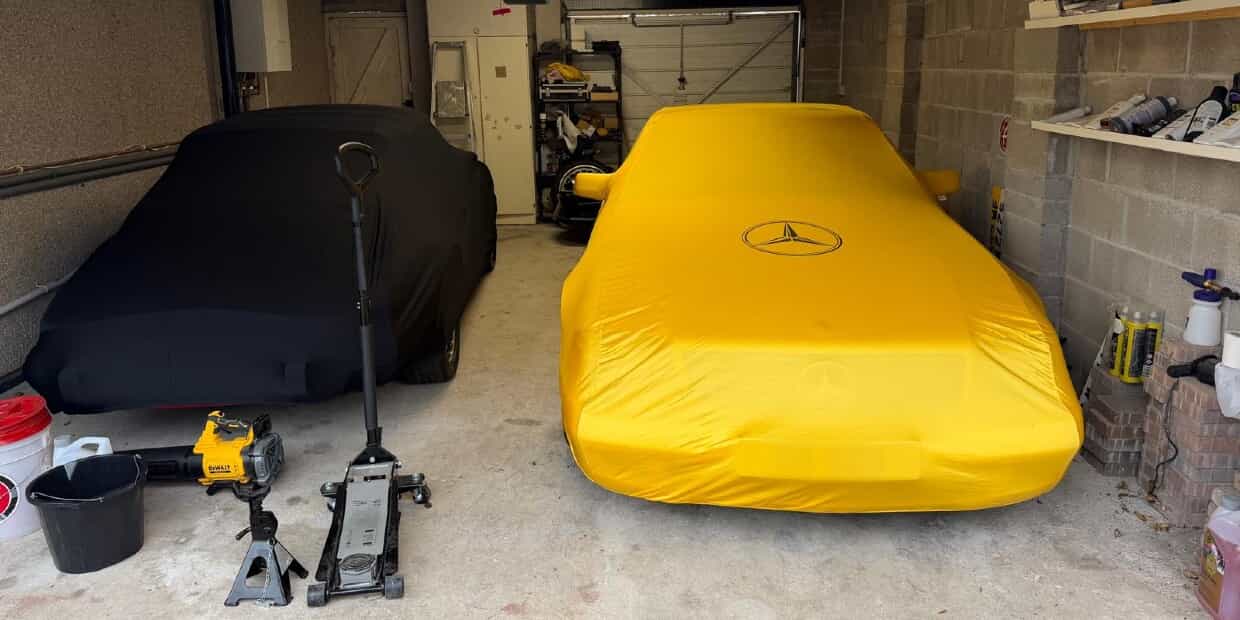
There’s a particular feeling that comes with the last drive of the season in your pride and joy. The evenings are drawing in, the gritters are being loaded, and the car you’ve enjoyed all summer is about to disappear under cover until the clocks go forward again.
Before that cover goes on though, it pays to spend a little time getting the car ready for its winter break. The way it’s put away has a big say in how it comes back out, and a few hours of preparation now is far easier than dealing with a flat battery, seized brakes or a musty interior when spring comes around.
Importantly, it’s also worth thinking about the paperwork before you shut the garage door.
Declaring a car off the road changes what you’re legally required to have, but it’s still worth protecting it against fire, theft and damage while it’s stored. Laid-up cover can help with this, subject to the vehicle and policy terms.
If yours is a classic car or a modified car, it’s also a good moment to check your policy reflects what the car is genuinely worth, and agreed value cover may be available, subject to valuation and insurer acceptance.
Our Winter Car Storage Tips
1. Find It A Dry & Secure Home
A dry, secure garage is the best place for any car to spend the winter. Damp does far more damage than cold, so a dry garage is worth more than one that’s simply sheltered from the rain.
If the car has to live outside, park it away from trees where sap, leaves and falling branches can’t add to the problem, and use a cover made for outdoor use. If you don’t have space at home, consider dedicated storage facilities, some of which offer heated, dehumidified, and alarmed units for exactly this purpose.
2. Give It A Proper Clean Before It Goes Away
Dirt left on the paintwork has months to do its damage once the car is stored. Bird lime, tree sap and road salt are the worst offenders, so wash the car thoroughly, including the underside and wheel arches, and let it dry completely before it’s covered. A fresh coat of wax also gives the paint an extra layer of protection while it sits.
The inside deserves the same attention. Crumbs and food wrappers are an open invitation to mice, and any damp left in the carpets will turn into mould long before spring arrives.
3. Brim The Fuel Tank
A full tank leaves less space for air, which reduces the condensation that forms inside as temperatures rise and fall. Today’s E10 petrol also doesn’t keep as well as older fuels, so adding a fuel stabiliser before the last drive gives it time to work its way through the system.
4. Keep The Battery Healthy
A battery left to go flat for several months may not fully recover. The simplest answer is a battery conditioner, sometimes sold as a smart trickle charger, that keeps the battery topped up without overcharging.
If there’s no power in the garage, disconnect the battery or remove it and store it somewhere dry, charging it every few weeks. On some newer cars, disconnecting the battery resets radio codes or alarm settings, so check the handbook before you unplug anything.
If your policy requires an alarm or tracker, check with your insurer before disconnecting.
5. Look After The Tyres
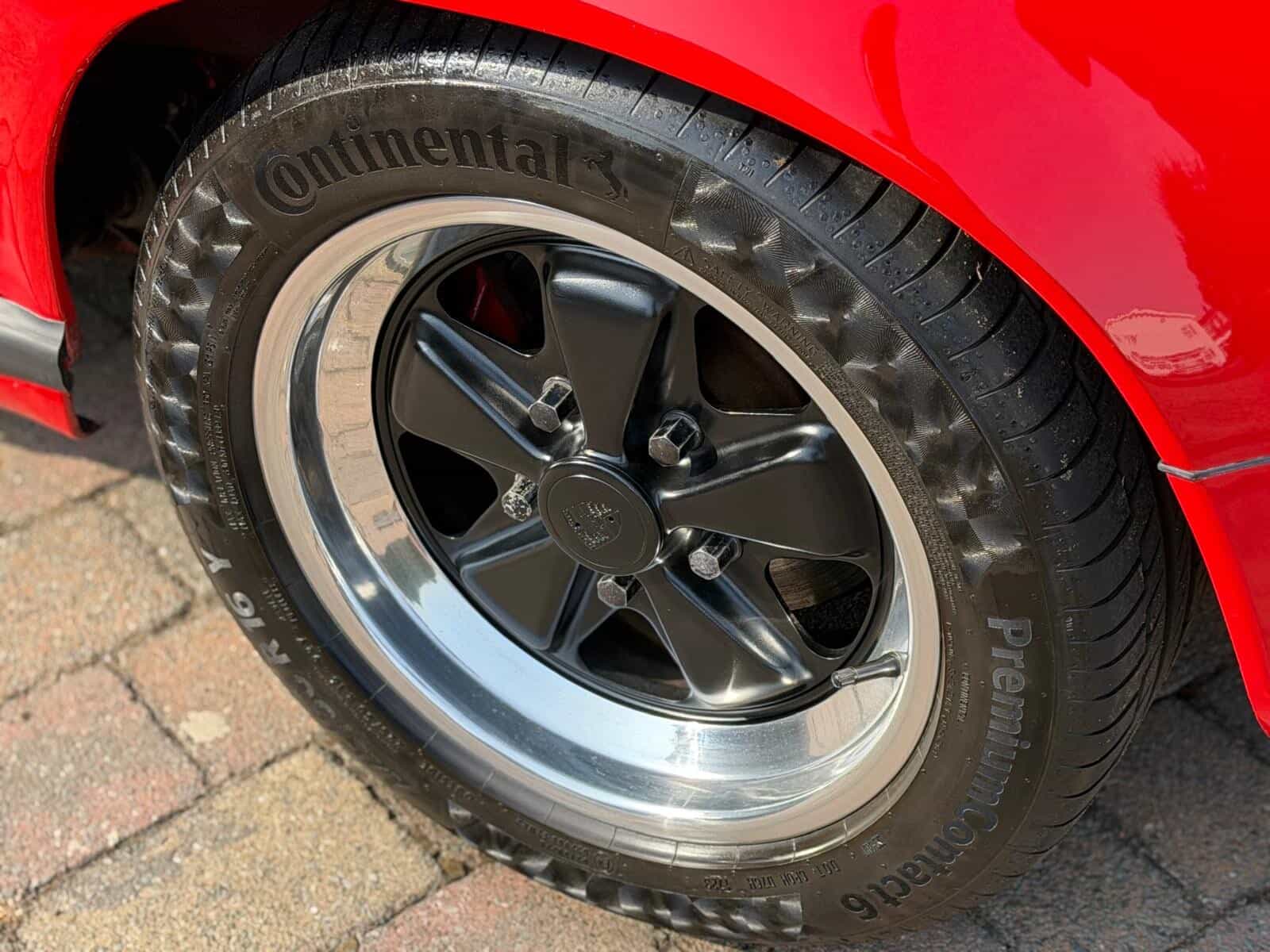
Tyres that carry the same load in the same position for months can develop flat spots. Inflating them to the upper end of the manufacturer’s recommended pressure helps, as does rolling the car a short distance every few weeks so a different part of the tyre takes the weight.
For a car that’s being stored for a long stretch, putting it on axle stands takes the load off the tyres and suspension altogether.
6. Leave The Handbrake Off
Brake pads clamped against the discs for months can stick fast, especially in a damp garage. Leave the handbrake off and chock the wheels instead, or leave the car in gear (or in park on an automatic) as long as the floor is level.
7. Keep The Damp Out
A breathable car cover is the right choice for a stored car. Plastic sheeting traps moisture against the paintwork and does more harm than good, while a breathable cover keeps dust off and lets the car breathe.
If possible, a car dehumidifier placed inside the cabin helps keep the interior dry over winter.
8. Stop Pests Moving In
Mice love a stored car. Air boxes, exhausts and wiring looms all make tempting nesting spots, and chewed wiring is an expensive thing to discover when you come to start it in spring.
Plug the exhaust tailpipe and air intake with wire wool or a purpose-made bung, then leave a note on the steering wheel to remind yourself to take them out before the engine is started.
9. Keep It Secure
A car that isn’t going anywhere for months can catch the eye of thieves, particularly if they’ve watched it being put away. Strong garage locks, an alarm, a steering lock and a tracker all add layers of protection that make it a much harder target.
Insurers will want to know how you store a vehicle, including whether it moves to a storage facility, so mention any security you’ve fitted when you arrange cover.
10. Resist The Urge To Start It Every Week
Popping into the garage to let the engine idle for five minutes feels like the right thing to do, but it does more harm than good. The engine never reaches full temperature, so condensation builds up in the oil and exhaust, and starting the car takes more out of the battery than a short idle puts back.
If you want to run it, a proper drive on a dry day is far better, provided the car is taxed, insured, has a valid MOT and not declared SORN. Otherwise, leave it be until spring.
11. Sort Out The Paperwork
If the car won’t be used on the road, you can declare it off the road with the DVLA by making a SORN. Once it’s SORN, you don’t need to tax or insure it to meet the legal requirement, but it must be kept off public roads, and the only journey allowed is to a pre-booked MOT, and you’ll still need insurance in place for that journey.
Being legal isn’t the same as being protected though. A stored car can still be stolen, damaged in a garage fire or caught out by a burst pipe, and without cover in place the loss would fall on you.
That’s why some owners keep laid-up cover running while the car is off the road, protecting it against fire, theft, and damage when it isn’t being driven. Availability depends on the vehicle and the insurer, so speak to us before cancelling an existing policy.
Bringing It Back Out In Spring
When the weather turns, and it’s time to wake the car up, work through a few checks before it moves an inch.
- Paperwork: tax the car and make sure it’s insured for road use before it leaves the garage, and book an MOT if one is due.
- Bungs and covers: check the note on the steering wheel and remove anything blocking the exhaust or air intake.
- Battery: reconnect or refit it and check it’s holding a full charge.
- Tyres: reset the pressures to normal and look for flat spots or cracking in the sidewalls.
- Fluids: check the oil, coolant and brake fluid, and look underneath for any fresh leaks.
- Brakes: a light layer of surface rust on the discs is normal and clears after a few gentle stops.
- First drive: take it steady for the first few miles while everything warms through.
Ready For The First Drive Of The Year
A summer car is one that’s genuinely loved, and the effort you put in this autumn decides whether spring starts with a drive or a call to the recovery truck. Get the storage right, keep the paperwork in order and make sure the car is properly protected while it waits.
If you’d like to discuss cover for your car while it’s tucked away, contact our team or get a quote online.

