Most restorations start with a car that’s seen better days, rolling off the back of a trailer, with flat tyres, an engine that hasn’t turned over in years, and a list of jobs that grows every time you lift a panel.
With the first drive likely months or even years away, insurance tends to slip down the list while the welder and the parts catalogue take over. It’s an easy trap to fall into, because a project car can be worth a surprising amount even when it’s sitting in boxes, and every weekend you put into it usually adds to that value.
Do You Need To Insure A Car That Doesn’t Run?
The legal answer depends on whether the car has been declared off the road with the DVLA.
| Status | Tax Needed | Insurance Needed | Can It Be On A Public Road |
|---|---|---|---|
| Declared SORN | No | No | It must be kept off the road, and can only be driven to or from a pre-booked MOT or other test, insured for the journey |
| Not declared SORN | Yes | Yes, at all times | Yes, once taxed, insured and with a valid MOT if required |
Staying legal and being protected aren’t quite the same thing though. A SORN car tucked away in a garage can still be stolen, damaged in a fire, or soaked by a burst pipe, and without cover, you’ll pay the full cost of repairs.
That’s why it’s worth considering laid-up insurance from the day the project arrives. It’s designed for vehicles that aren’t being driven and can protect them against risks such as fire and theft while they’re in storage, though what’s included varies by policy.
How Your Cover Should Change As The Project Moves Along
A restoration is rarely one long spell of standing still. The car gets moved, taken apart, sent away and put back together, and it gains value along the way, so the cover that suited it on day one won’t necessarily suit it by the time the paint goes on.
Each stage of a project brings its own risks and its own questions for your insurer, so it helps to look at them in the order most restorations follow. That starts with the trip home and ends with the first drive, including the strip-down, time with the specialists, and any upgrades in between.
Getting It Home In The First Place
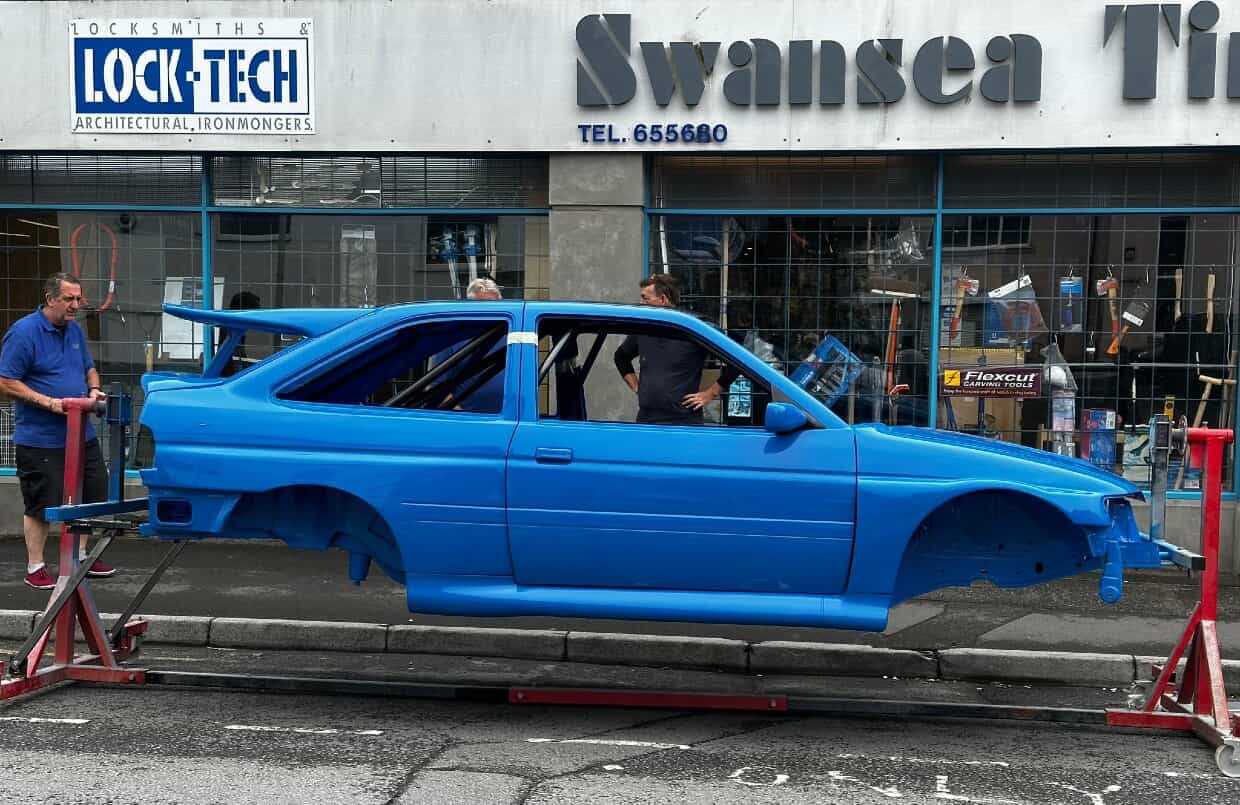
For a car that doesn’t run, a trailer or transporter is the obvious way to get it home, and a SORN vehicle can travel that way without its own road insurance. Before it sets off, it’s worth checking:
- whether your own policy covers the trailer, and whether the car on it is covered for damage in transit, not just third-party liability
- or, if you’ve booked a transport company, that it has goods-in-transit cover for the vehicles it moves
When Everything Comes Apart
The strip-down is when a project is at its most exposed, with parts scattered between the garage, the loft and quite possibly a friend’s shed. When you arrange laid-up cover, let your insurer know the car is being dismantled and ask how they treat:
- panels, trim and glass removed from the car
- engines, gearboxes and running gear stored separately
- rare or expensive parts kept at a different address
- new parts you’ve bought but haven’t fitted yet
That’s a conversation far better had now than after a break-in.
Time Spent With The Specialists
Sooner or later most projects spend time with a bodyshop, a trimmer or an engine builder. These businesses should carry their own motor trade insurance, but what it covers can vary from one to the next, so ask what their policy includes while your car is with them and keep your insurer updated on where it’s being kept.
Upgrades Along The Way
Very few restorations finish exactly where they started, as it’s hard to resist improving things while everything’s already apart. Any change to the car’s specification needs declaring to your insurer, even the ones you’d quite rightly call improvements, such as:
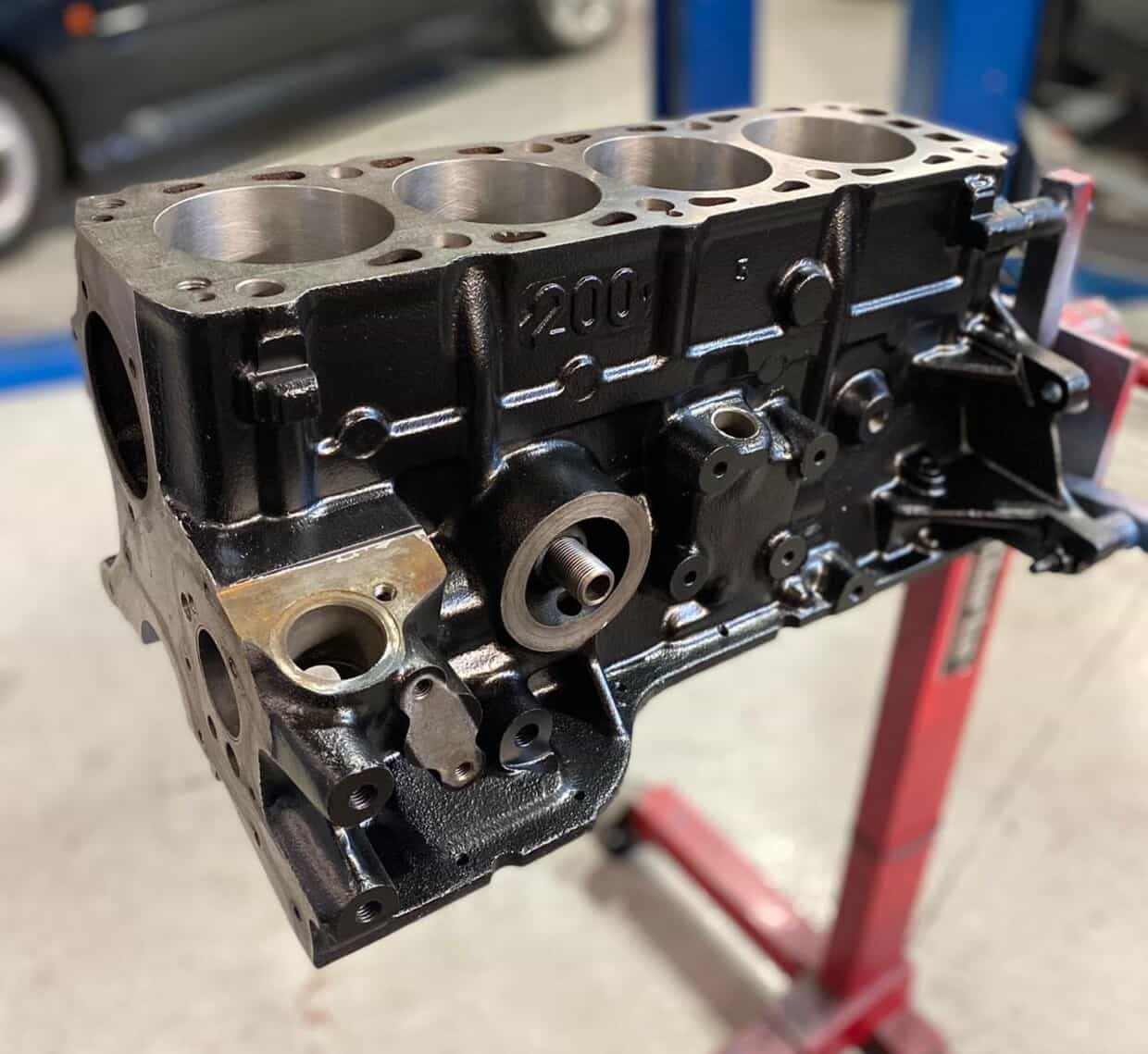
- an uprated or rebuilt engine with more power
- upgraded brakes or suspension
- a different wheel and tyre setup
- a non-original colour or bodywork changes
Our modified car insurance is arranged with builds like this in mind, so you can tell us exactly what’s been done and we’ll look for cover that reflects it, subject to the insurer’s acceptance.
Back On The Road At Last
The day it fires up and rolls out under its own power is the one every restorer has been working towards. Have your road policy in place ahead of the MOT, as a SORN car can only be driven to or from a pre-booked test if it’s roadworthy and insured for the trip, then tax it before it goes back into regular use.
Your Restoration Insurance At A Glance
| Stage | What To Have In Place | What To Tell Your Insurer |
|---|---|---|
| Bringing it home | Trailer or transporter cover | When and how the car is moving |
| Stored and stripped | SORN with laid-up cover | That it’s being dismantled and where parts are kept |
| With a specialist | Laid-up cover plus the specialist’s own insurance | Where the car is and for how long |
| Rebuild and upgrades | Laid-up cover with an updated value | Every modification and the rising value |
| First drive and MOT | Road cover, then tax | The finished specification and value |
Keeping The Valuation In Step With The Work
A shell bought for a few thousand pounds can be worth several times that once it’s finished. If your policy still reflects what you paid, a total loss could leave a sizeable gap between the settlement and what the car was really worth, so review the value with your insurer at key points, particularly after paint and engine work.
As the project nears completion, an agreed value, where available, means the car’s value is set with your insurer in advance, normally backed up by photos, receipts or an independent valuation, so it’s settled before any total loss claim rather than after, subject to the policy terms. Availability depends on the vehicle and the insurer, and once it’s back on the road, specialist classic car insurance may be able to carry that valuation forward.
Why Your Insurer Needs To Know What’s Changed
The details your insurer holds should always match the car sitting in front of you. If its location, condition, value or specification changes and nobody tells them, a future claim could be reduced or even refused, and that’s true of any policy, including the ones we arrange.
What To Do Next With Your Project
Whether the car only arrived last week or has been on axle stands for years, these steps will put it on a solid footing.
- Sort the paperwork: if it won’t be used on the road, declare it SORN with the DVLA and keep it off the public road.
- Protect it while it’s stored: arrange laid-up cover and check exactly what it includes, such as fire and theft.
- Plan every move: check how the car and its parts are covered whenever they travel or stay with a specialist.
- Record the work: photos and receipts gathered as you go will support any future valuation.
- Keep your cover current: tell your insurer about upgrades and rising value at each stage.
- Arrange road cover early: have it ready before the MOT and that all-important first drive.
If you’d like to talk your project through with people who restore cars themselves, speak to our team or get a quote online.

